

Organizations invest heavily in controlling what enters the market: quality, packaging, distribution, positioning, compliance, and brand reputation.
Far fewer apply the same level of control to what leaves their operations. And that is precisely where many risks begin.
Off-spec products. Obsolete inventory. Branded materials. Electronic components. Confidential documents. Pharmaceutical batches. Sensitive assets. Packaging, prototypes, samples, and materials that should never re-enter circulation.
When these materials are treated merely as “waste,” companies lose control over assets that still carry value, information, intellectual property, and reputational exposure.
An asset does not stop being sensitive simply because it has lost operational value.
It continues to represent risk until that risk is permanently, traceably, and verifiably neutralized.
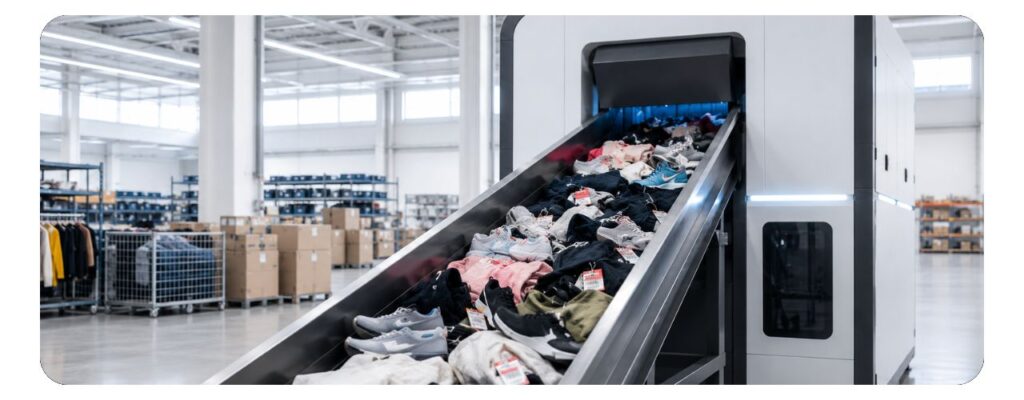
Disposal Is Not Destruction
There is a critical difference between disposing of a material and eliminating the risk associated with it.
Disposal solves a logistical need. Secure destruction solves a corporate vulnerability.
When branded products, defective items, or confidential materials leave an organization without traceability, they can reappear in unauthorized markets, fuel parallel distribution channels, compromise intellectual property, create compliance failures, or directly damage brand credibility.
The issue is not simply that the material exists. The issue is that it exists outside the organization’s control.
This is why Secure Destruction should no longer be viewed as a secondary operational activity. It should be recognized as part of modern risk governance.
What Makes Destruction Truly Secure
Secure destruction is not simply about breaking, shredding, or eliminating an item.
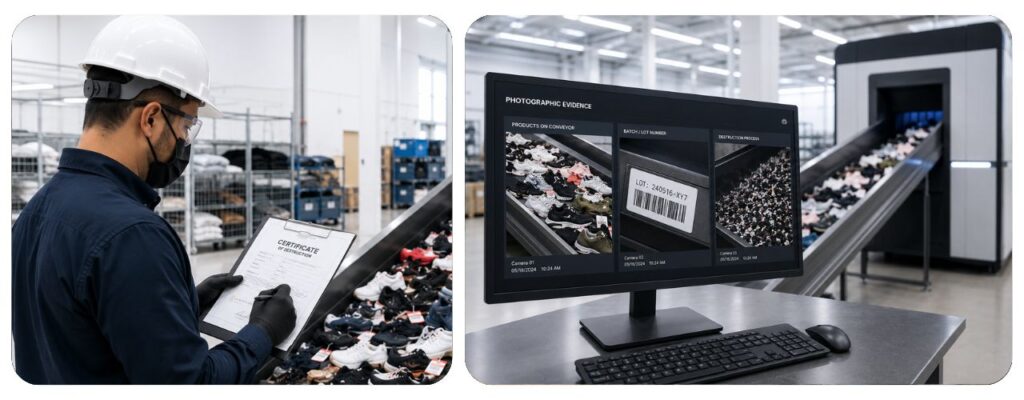
It is a structured process designed to ensure that sensitive assets are permanently neutralized through controlled execution, documented evidence, and regulatory compliance.
That includes:
- Restricted access control
- Chain-of-custody monitoring
- Documented operational procedures
- Photographic evidence
- Certified destruction processes
- Final disposition reporting
- Regulatory compliance
- Material-specific handling protocols
At Hyperion Global, our Secure Destruction services include certified mechanical destruction and thermal emissions treatment designed to fully neutralize sensitive materials such as confidential documents, electronic components, and pharmaceutical products — supported by Certificates of Destruction and Final Destination Reports.
The Most Dangerous Risks Are Often Invisible
The most damaging operational failures rarely begin with a visible crisis.
They begin silently: an off-spec batch reappearing in the market, a branded product sold through unauthorized channels, a discarded component without traceability, confidential information improperly destroyed.
When that happens, organizations face more than an operational problem. They face a trust problem.
And trust, once compromised, is significantly more expensive to rebuild than any preventive process would have been.
Industries such as technology, pharmaceuticals, finance, defense, and manufacturing increasingly require advanced destruction protocols because exposure today extends far beyond physical materials. It extends to data, reputation, intellectual property, and market credibility.
Secure destruction has therefore evolved from waste management into a strategic layer of corporate protection.
Security and Sustainability Must Work Together
Modern destruction processes must also align with environmental responsibility.
Secure destruction should not conflict with sustainability goals. In mature operations, both must coexist.
Organizations today are expected to ensure that sensitive materials are not only removed securely, but also processed responsibly, with environmentally compliant handling and legally appropriate final disposition.
This creates a more advanced operational model — one where security, compliance, and sustainability reinforce each other instead of competing.
Because responsible destruction is not simply about eliminating materials. It is about controlling the impact they could generate.
The Strategic Value of Secure Destruction
Secure destruction protects far more than physical assets.
- It protects intellectual property.
- It protects compliance.
- It protects supply chains.
- It protects consumers.
- It protects operational integrity.
- It protects reputation.
- It protects long-term brand value.
In a market where traceability, governance, and risk management increasingly define corporate credibility, the way a company handles sensitive materials at the end of their lifecycle says as much about the organization as the products it launches.
The strongest companies are not only defined by what they create. They are defined by what they control — especially what must never return to the market.
About Hyperion Global
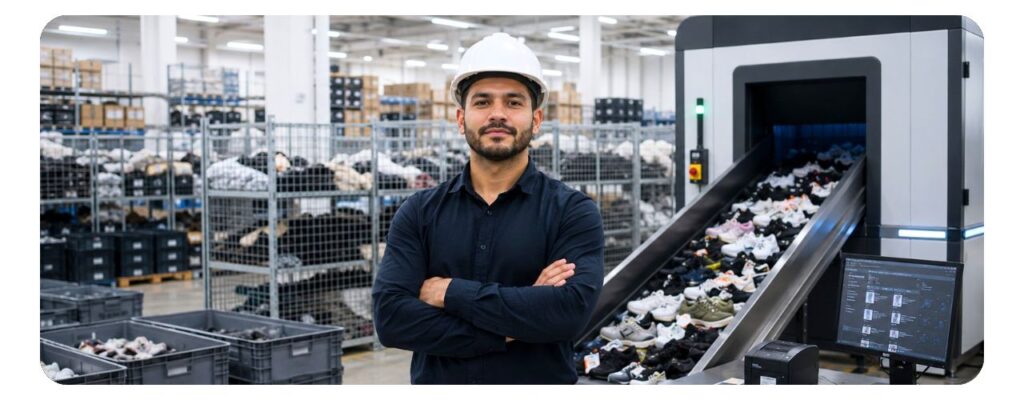
At Hyperion Global, we transform corporate waste management into a strategic advantage. Our Secure Destruction solutions are designed to protect brands, operations, sensitive assets, and intellectual property through certified, traceable, and fully compliant processes.
With international operations and expertise in secure destruction, industrial recycling, asset recovery, strategic donations, and circular economy solutions, we help organizations reduce exposure, recover value, strengthen sustainability goals, and maintain operational integrity across the entire asset lifecycle.
Because true protection does not end when an asset leaves the operation.
It ends when risk no longer exists.