

Waste Reduction USA is becoming a defining factor for corporate competitiveness. Across the United States, leading companies are turning sustainability into a strategic advantage. They’re not only complying with regulations but also transforming environmental responsibility into measurable business growth. Programs and incentives for companies that reduce, recycle, or repurpose waste are expanding rapidly—fueling innovation and profitability in the circular economy.
This article explores how Waste Reduction in the U.S. is reshaping the way corporations view sustainability—turning environmental responsibility into a competitive and financial advantage. By adopting circular practices, you can transform waste management from a cost burden into a driver of innovation, value creation, and long-term profitability.
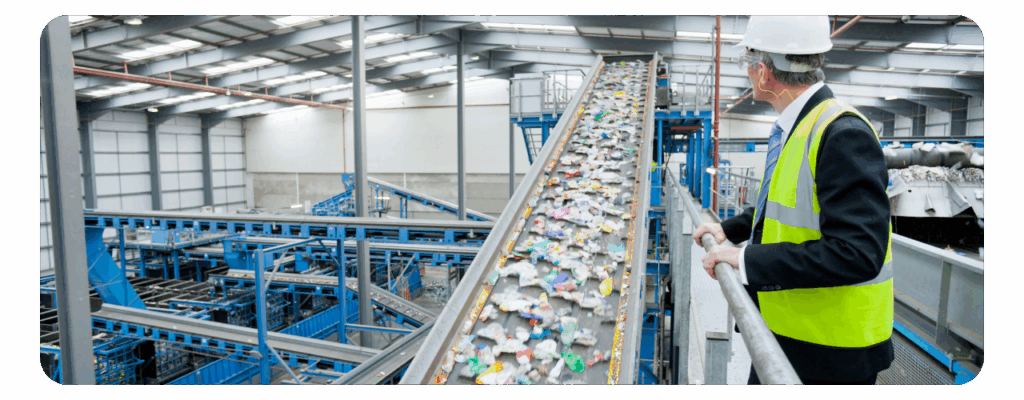
The Evolving Regulatory Landscape of Waste Reduction USA
Adopting a Zero Waste to Landfill (ZWTL) model is no longer just an ethical or environmental decision—it’s a smart economic strategy. Both state and federal governments are actively encouraging businesses to embrace sustainability. This creates opportunities for companies that recognize the connection between operational efficiency and environmental responsibility.
Programs like the Environmental Protection Agency’s (EPA) Solid Waste Infrastructure for Recycling (SWIFR) allocate millions in grants to support recycling, composting, and material reuse projects. States such as California, New York, and Oregon are leading the way by offering tax credits, innovation grants, and fee waivers for businesses that reduce waste and adopt circular economy practices.
Key U.S. Incentives for Sustainable Waste Management
Below is a summary of the most relevant mechanisms currently available for companies that invest in waste reduction USA and resource valorization:
| Incentive / Program | Type of Benefit | Eligible Entities / Typical Use | Key Details |
|---|---|---|---|
| Solid Waste Infrastructure for Recycling Grants (SWIFR) | Federal grants for recycling infrastructure | States, local governments, waste authorities | Funded by the Infrastructure Investment and Jobs Act. $55M annually through 2026. (EPA) |
| Other federal recycling and waste grants | Competitive funding for recycling / composting / organic waste projects | Municipalities, innovation projects, PPPs | In 2024, EPA opened multiple calls for recycling programs. (Waste Dive) |
| Economic incentives (grants, green loans, tax credits) | Cost reduction for adopting clean technologies or innovative waste management practices | Companies of all sizes | Classified by the EPA as “economic incentives” promoting environmental innovation. |
| Brownfield cleanup tax deduction | Deduction of contamination cleanup costs from taxable income | Companies acquiring or rehabilitating industrial sites | Includes land remediation and hazardous waste cleanup. (Convention on Biological Diversity) |
In addition to federal programs, many states and municipalities offer their own incentives—such as green innovation credits, rebates, and circular economy funds—further encouraging companies to invest in sustainable waste management initiatives.
Beyond Environmental Benefits: The Business Case for Waste Reduction
When it comes to waste reduction USA, reducing and reusing waste isn’t just about protecting the environment—it also offers significant, tangible business benefits that boost profitability and resilience. Here’s a closer look at how organizations can profit from embracing sustainability:
-
- Lower operational costs: By actively cutting down on waste, businesses can directly reduce expenses associated with waste disposal, such as landfill fees and the costs of material handling and transportation. This streamlined approach minimizes unnecessary expenditures, leading to greater financial efficiency.
-
- Access to funding: A growing number of federal and state programs are designed to incentivize sustainable practices. These initiatives often subsidize investments in cutting-edge clean technologies, the development of robust recycling infrastructure, and the implementation of advanced automated sorting systems. Tapping into these grants and financial supports can significantly reduce the upfront cost of transitioning to more sustainable operations.
-
- Green certifications and credits: Adopting circular economy practices can qualify businesses for various financial incentives and prestigious green certifications. These certifications not only enhance a company’s credibility but can also be a key factor in securing new contracts and partnerships, especially with environmentally conscious clients and public sector bodies.
-
- Enhanced ESG performance: Going beyond basic environmental compliance requirements and actively engaging in waste reduction strengthens a company’s Environmental, Social, and Governance (ESG) performance. This improved standing is increasingly valued by investors, customers, and local communities, leading to a stronger brand reputation, increased customer loyalty, and easier access to capital from ESG-focused funds.
The equation is straightforward: the more effectively you create value from what might otherwise be considered waste, the more value you ultimately generate for your business as a whole.
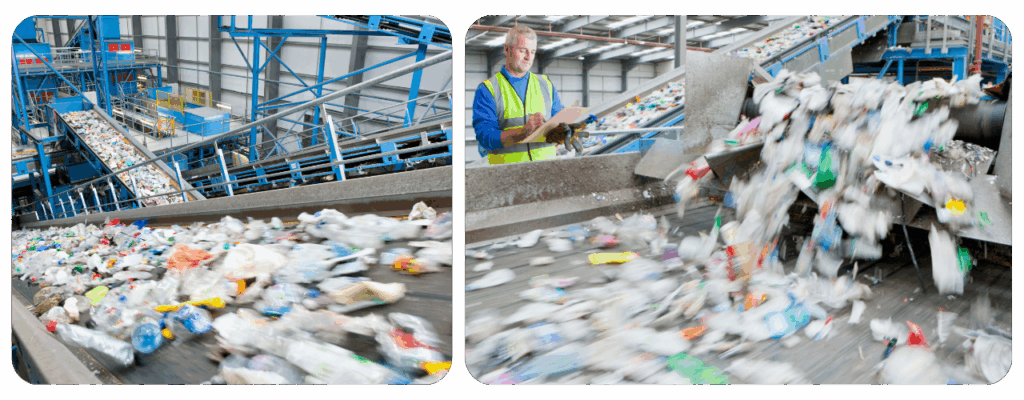
Turning Waste Into a Valuable Asset
Technological advancements are helping businesses unlock the hidden value in waste. With innovations like digital traceability, industrial upcycling, and advanced recycling, waste becomes a resource for new value creation.
Solutions such as reverse logistics, material co-processing, and advanced recycling reduce emissions while generating new revenue streams. Companies that adopt these approaches attract government incentives, environmental certifications, and stronger market positioning.
The success of Waste Reduction in the U.S. demonstrates that environmental responsibility can be synonymous with profitability—setting a global benchmark for innovation and sustainable business transformation.
How to Effectively Leverage Incentives
To fully benefit from sustainability programs and incentives, businesses need a clear and strategic plan. Here’s how you can get started:
-
- Identify Relevant Opportunities: Begin by researching the specific policies, tax credits, and grant programs available in your state. Evaluate which ones offer the most significant return on investment for your unique operations and waste streams.
-
- Invest in Transparency and Traceability: Implement robust systems to accurately track and report your waste streams from generation to final destination. This data is not just for internal use; it’s essential for applying for certifications and proving eligibility for financial incentives.
-
- Form Strategic Partnerships: You don’t have to navigate this alone. Collaborate with waste management experts, recycling facilities, and circular economy platforms to maximize your operational efficiency and improve material recovery rates.
-
- Measure and Communicate Your Impact: Use the data you’ve collected to share compelling stories about your sustainability efforts. Highlighting metrics on waste reduction, material reuse, and emissions savings will build credibility with stakeholders and significantly boost your brand’s value.
The Future of Profitable Sustainability
The message is becoming increasingly evident: businesses that actively integrate waste management into their long-term strategy are positioning themselves to outperform competitors who view it merely as a compliance obligation. By treating waste management as a core part of their operations rather than an afterthought, companies can unlock new efficiencies and opportunities for growth.
As policies supporting the circular economy continue to expand, U.S. companies are finding themselves at a pivotal moment. This shift offers a growing opportunity to align profitability with sustainability, demonstrating that environmental responsibility can drive success rather than hinder it. Incentives offered to businesses in this space are no longer just optional benefits—they have become powerful tools for organizations that view sustainability as a strategic avenue for innovation, competitive advantage, and long-term growth. These forward-thinking companies are proving that embracing sustainability is not just good for the planet but also essential for staying ahead in an evolving marketplace.
Let Hyperion Global Guide You to Profitable Sustainability
At Hyperion Global, we specialize in helping businesses across the U.S. turn their waste streams into tangible value. We understand that effective waste management is more than just disposal; it’s a strategic opportunity. Our comprehensive services include responsible waste management, certified product and data destruction, strategic asset recovery, and impactful donation programs. By leveraging our proprietary technology and a nationwide presence, we empower companies to access valuable public incentives, significantly cut operational costs, and strengthen their overall ESG performance, turning compliance into a competitive advantage.
Our comprehensive solutions include:
-
- Responsible and traceable waste management: We ensure every step of your waste disposal process complies fully with regulations. This means not only ethical and efficient disposal but also the ability to track the entire lifecycle of waste, providing complete transparency and peace of mind regarding environmental and social impact.
-
- Secure and certified destruction: We protect your valuable brands and sensitive data through rigorous, fully documented destruction processes. Our certified operations ensure that obsolete products or confidential information are irreversibly and safely eliminated, preventing any risk of fraud or misuse.
-
- Strategic and impactful donations: We go beyond disposal by redirecting surplus products and materials to meaningful social and environmental causes. By facilitating strategic donations, we help enhance your company’s reputation, add value to the community, and align with circular economy principles and corporate responsibility.
-
- Advanced recycling and upcycling: We focus on reintegrating materials into new production cycles in a sustainable way. Whether through high-efficiency recycling or creative upcycling that transforms “waste” into higher-value resources, our goal is to minimize environmental impact and maximize resource recovery.
-
- Asset recovery and supply chain optimization: We work to identify and reclaim the value of assets that would otherwise be discarded. By optimizing your supply chain processes to reduce waste and inefficiencies, we directly contribute to improving your bottom line, ensuring your resources are used as effectively as possible.
For us, sustainability isn’t just an operational task we manage—it’s a core business strategy we make profitable for our clients. By aligning your waste management with circular economy principles, you can unlock new revenue streams and enhance your brand’s reputation. Ready to transform your approach and turn environmental responsibility into a powerful engine for growth? Contact Hyperion Global today and take your place as a leader in the circular economy.