

The problem starts before disposal — and many companies overlook it
When it comes to waste management, many companies assume the main risks only arise during the final disposal stage, like when the waste is collected by a truck. But this mindset is both limited — and potentially dangerous.
In practice, the most critical phase of waste management is the internal storage and handling, which happens long before the waste leaves the facility. This is where some of the most significant problems can arise, including:
- Leaks of toxic substances that contaminate soil and groundwater;
- Health risks to workers and environmental damage caused by exposure to hazardous waste;
- Fires caused by improper storage of flammable materials;
- Workplace accidents that could have been avoided with better management;
- Environmental fines for non-compliance with regulations;
- Long-term environmental and legal liabilities, leading to increased costs and reputational damage.
In short, problems often begin well before the waste is collected for disposal. Ignoring this phase means neglecting risks that could jeopardize safety, sustainability, and your company’s reputation.

Waste storage and handling: what does it really involve?
Waste storage and handling encompasses the stages between generation and external collection for final disposal. This internal process is more complex than it may seem and involves coordinated actions, such as:
- Waste identification: Knowing exactly what type of material is being discarded.
- Risk classification: Determining whether the waste is hazardous, non-hazardous, or recyclable.
- Source segregation: Separating different types of waste to prevent contamination and facilitate proper treatment.
- Proper packaging: Using suitable containers (drums, bins, tanks) to ensure safe storage of materials.
- Internal transport: Safely moving waste within the facility to designated storage areas.
- Temporary storage: Storing waste in a secure, licensed area until it is collected.
- Monitoring and record-keeping: Maintaining detailed records of the type and quantity of waste generated and stored.
Each of these steps is not just a best practice but a legal requirement that must comply with environmental laws and technical standards. Failing to follow these guidelines can hold the waste generator directly accountable, regardless of who handles the collection or final disposal.
Why are these steps so critical from a legal standpoint in the United States?
In the U.S., waste management is strictly regulated by both federal and state laws, with the Resource Conservation and Recovery Act (RCRA) being a key framework. This law establishes the principle of “cradle-to-grave responsibility”, which means:
- The company that generates the waste is legally responsible at every stage, from generation to final disposal.
- Even when collection, transport, or disposal is outsourced, the responsibility remains with the generator.
- Failures in internal storage and handling can result in federal and state violations.
Additionally:
- Intent is not required to determine environmental violations.
- Simply causing environmental harm or posing a public health risk is enough to trigger liability.
- Penalties can include hefty fines, civil lawsuits, administrative sanctions, and, in severe cases, criminal liability.
Therefore, failures in waste storage and handling are not merely operational issues — they represent real legal, financial, and reputational risks that could directly impact your business continuity.
Key risks tied to improper waste storage and handling
Risk of accidents and environmental emergencies
- Chemical leaks that contaminate soil, water, and air, causing irreversible damage to ecosystems and public health.
- Unintended chemical reactions, such as those triggered by mixing incompatible substances, endangering facilities and workers.
- Fires and explosions caused by improper storage, equipment failure, or unsafe working conditions.
- Worker exposure to hazardous agents, leading to risks of poisoning, chemical burns, and respiratory issues.
Legal and financial risks
- Major environmental fines for violating storage and disposal regulations for hazardous materials.
- Shutdowns and operational halts due to non-compliance, affecting schedules and your company’s reputation.
- Lawsuits from third parties, such as local communities, or injuries to workers.
- Long-term environmental liabilities, like cleanup costs for contaminated sites or financial compensations.
Workplace health and safety risks
- Occupational illnesses caused by prolonged exposure to toxic substances, such as respiratory or skin conditions.
- Workplace accidents that result in injuries requiring leave, increasing operational costs.
- Legal actions from employees exposed to unsafe environments or who suffered health damages.
- Decreased workplace morale, eroding trust between employees and the company and reducing overall productivity.
Common critical errors businesses make
Incorrect waste classification
Treating hazardous waste as regular waste is a serious mistake that significantly increases environmental risks and can lead to fines and penalties. This often happens when chemicals or contaminated materials are disposed of without proper evaluation.
Mixing incompatible waste
Combining waste that should remain separate can cause dangerous chemical reactions and lead to leaks or toxic emissions, threatening both the environment and safety. A common example is mixing flammable solvents with acids, which can cause explosions or fires.
Inadequate or damaged packaging
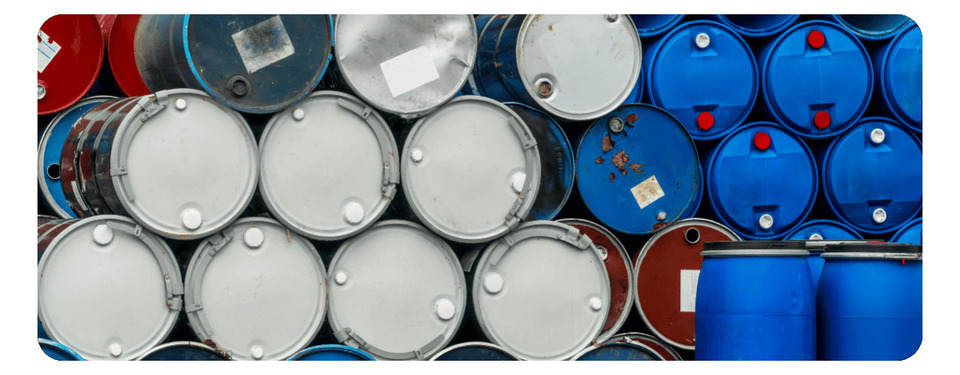
Using containers that lack the necessary chemical or structural resistance is one of the main causes of accidents involving hazardous waste. Corroded drums, torn bags, or improperly sealed containers make transportation and storage highly risky.
Lack of clear labeling
Waste that isn’t properly labeled with clear hazard symbols or basic information compromises worker safety and often violates regulations. Poor labeling can lead to preventable mistakes, such as improper handling or misuse of protective equipment.
Storing waste in unsuitable areas
Storing waste in areas without proper infrastructure, such as impermeable flooring, containment systems, or weather protection, increases risks of soil and water contamination. Additionally, improvised practices often attract fines and inspections, highlighting a lack of planning that can lead to serious financial losses.
Lack of procedures and training
The absence of documented processes and adequate training leads to repeated errors in waste management. Unprepared teams often make simple mistakes, like improper disposal, which can create significant long-term problems for both the company and the environment.
Essential best practices for waste storage and handling
Proper classification and segregation
Correctly separating waste at the source is key to avoiding cross-contamination between different materials. This reduces risks to the environment and health while also lowering operational costs. For example, hazardous waste should always be kept separate from non-hazardous waste to ensure safe and efficient handling.
Adequate packaging
Each type of waste requires specific storage precautions. It’s critical to use:
- Compatible materials: Containers must withstand the waste being stored, such as plastic drums for corrosive liquids.
- Proper sealing: Ensure there are no leaks or accidental exposure to the environment.
- Mechanical strength: Containers should remain intact during transport and storage.
- Appropriate capacity: Avoid overfilling to reduce risks and ensure easy handling.
Clear and traceable labeling
All stored waste must be clearly labeled with accurate and informative descriptions, including:
- Type of waste: Indicate whether it is organic, chemical, industrial, etc.
- Risk classification: Specify if it’s flammable, corrosive, toxic, etc.
- Source: Identify where the waste originated within the company.
- Generation date: Important for tracking and ensuring timely disposal or treatment.
Properly designed storage areas
Storage locations should be carefully planned to minimize risks. Key features include:
- Impermeable flooring: Prevents liquid infiltration into the ground.
- Containment systems: Controls potential spills.
- Weather protection: Shields waste from rain or sun, maintaining its integrity.
- Ventilation: Prevents the accumulation of gases or vapors, reducing risks of explosions or poisoning.
- Access control: Restricts entry to authorized personnel, minimizing risks of accidents.
- Safety signage: Clearly communicates risks and required procedures for each area.
Standardized operational procedures (SOPs)
Documenting storage and handling processes is essential to avoid errors and ensure consistency in operations. Clear procedures guide teams through standardized steps, such as transporting hazardous waste, reducing risks of contamination or accidents.
Ongoing team training
Effective waste management depends on well-trained personnel. Regular training sessions are vital for keeping teams updated on best practices, new regulations, and raising awareness about the risks involved. For instance, training can include emergency simulations to prepare workers for incidents.
Laws and regulations directly impacting waste storage and handling in the United States
Waste storage and handling in the U.S. are governed by a strict legal framework, including federal, state, and industry-specific standards. Key regulations include:
Resource Conservation and Recovery Act (RCRA)
Regulates the generation, storage, handling, transport, and disposal of hazardous and non-hazardous waste, holding generators responsible throughout the waste’s lifecycle.
Environmental Protection Agency (EPA) Regulations
Defines technical criteria for waste identification, labeling, temporary storage, documentation, and monitoring, including inspection and record-keeping requirements.
Occupational Safety and Health Administration (OSHA)
Sets workplace safety standards for handling hazardous substances, ensuring safe storage, hazard communication (HazCom), and worker protection.
State and local environmental laws
States and municipalities may impose additional or more stringent requirements for storage, licensing, and accumulation timelines.
Audit, certification, and corporate compliance requirements
Includes standards like ISO 14001, ESG guidelines, corporate compliance programs, and specific client, insurer, or investor demands.
Failure to comply with any of these regulations can result in severe non-compliance penalties, including significant fines, administrative sanctions, lawsuits, operational shutdowns, and reputational damage.
Waste storage and handling in the context of ESG
Companies aiming for ESG maturity must prioritize waste storage and handling, as these steps directly impact the three pillars of ESG:
- Environmental: Implementing practices that prevent impacts, such as proper waste storage, is critical to avoiding soil and water contamination.
- Social: Protecting worker health and safety is essential. Clear protocols and suitable equipment help minimize risks and safeguard teams.
- Governança: Rigorous risk control and compliance with regulations are crucial to ensuring transparency and trustworthiness in processes.
ESG audits closely examine internal waste storage and handling processes. Beyond reviewing final disposal contracts, they assess how daily practices align with ESG principles.
When is outsourcing essential?
As regulatory requirements, audit demands, and operational risks grow more complex, outsourcing waste management transitions from being an operational decision to a strategic business move. Companies dealing with various types of waste, large volumes, or heavily regulated environments must ensure not only proper final disposal but full control over the entire waste lifecycle.
Specialized partnerships become crucial when your company:
- Generates hazardous or sensitive waste, with high environmental, legal, or reputational risks.
- Operates complex or large-scale facilities, with high waste volumes.
- Belongs to heavily regulated industries (manufacturing, chemicals, healthcare, logistics, retail).
- Faces frequent audits by regulators, clients, insurers, or ESG initiatives.
- Has experienced fines, environmental incidents, or critical events.
- Seeks risk reduction, cost optimization, and operational efficiency without compromising compliance.
In this context, Hyperion Global serves as a strategic partner, supporting companies from planning to safe, traceable execution of waste management solutions. More than a supplier, Hyperion Global integrates technical expertise, regulatory intelligence, and operational capacity to protect your business, reputation, and operations.
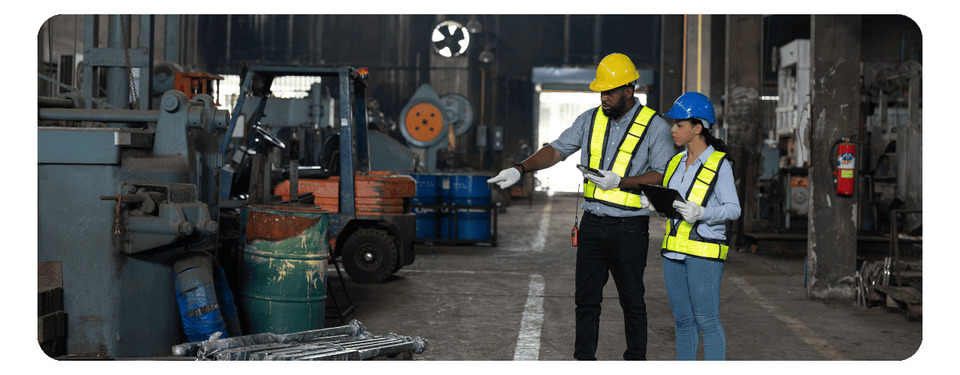
Hyperion Global: comprehensive solutions for the entire waste lifecycle
Hyperion Global offers a fully integrated approach, covering all critical stages of waste management with a focus on regulatory compliance, risk mitigation, and value creation.
Disposal and destruction
Safely managing waste disposal and destruction, ensuring materials are treated or destroyed per EPA, state laws, and corporate compliance standards, reducing legal and reputational risks.
Donation and asset recovery
Where feasible, Hyperion Global facilitates donation and asset recovery, turning waste and surplus materials into social, environmental, and economic value, aligned with sustainability and ESG goals.
Recycling and upcycling
Implementing recycling and upcycling solutions focused on circular economy principles, reducing waste sent to landfills while ensuring traceability and regulatory compliance.
Cargo incident response & recovery plan
Specialized management of cargo incidents, including rapid response, containment, safe removal, proper disposal, and thorough documentation to minimize environmental impact, operational disruptions, and legal exposure.
More than compliance: protecting your business and gaining a strategic edge
As a strategic partner, Hyperion Global helps companies:
- Maintain continuous compliance with EPA, OSHA, and state regulations.
- Reduce operational, environmental, and legal risks.
- Improve performance in EHS and ESG audits.
- Optimize costs through efficient, intelligent solutions.
- Protect the corporate image and business continuity.
Proper waste management begins long before final disposal — and companies that understand this choose partners capable of identifying risks, anticipating problems, and delivering complete solutions.
Conclusion: safety starts within your business
Waste storage and handling are not just operational details but the backbone of accident prevention, regulatory compliance, and environmental stewardship. Properly managing these processes is critical to the integrity and success of your business.
Beyond legal obligations, this reflects a commitment to sustainability and safety. Companies that prioritize proper waste management not only avoid immediate problems like fines and reputational damage but also ensure a more sustainable and prosperous future.