

Most companies believe they have total control over their waste generation—but the truth is very different. Hidden corporate waste is the silent villain behind unnecessary expenses, operational inefficiencies, and environmental risks. These are materials, products, inventory, and components that remain invisible in everyday routines but impact a company’s finances every single month.
Identifying these wastes can mean the difference between losing money or transforming discarded items into efficiency, compliance, and competitive advantage.
Below, we reveal the seven most common types of hidden corporate waste and why no one talks about them.

1. Idle Inventory (The “Ghost” of the Warehouse)
These are materials that add no value to operations but continue to occupy warehouse space, consume energy, and require effort to manage and control. Examples include outdated parts that are no longer in production, obsolete technological components, or unused equipment gathering dust.
Why is it hidden?
At first glance, these items may not seem like a problem. They aren’t perceived as trash, but in practice, they serve no purpose and act as dead weight.
Risk: Accumulating this type of inventory leads to progressive loss of item value as they become obsolete over time. Additionally, logistical costs like storage, upkeep, and eventual disposal only add to the burden.
Solution: Implement strategies like Recuperación de activos to recapture part of the investment in these materials. Regular inventory audits can also help identify and address the problem before it escalates.
2. Contaminated Packaging and Logistics Leftovers
This type of waste is found throughout the supply chain, including transportation and logistics operations. It includes a variety of items such as bulk bags, drums, boxes, plastic films, and damaged pallets, which are often discarded after use.
Why is it hidden?
The focus in logistics is typically on the integrity and delivery of the primary cargo. Secondary packaging and transportation materials are often seen as a minor issue and are neglected or forgotten in day-to-day processes.
Risk: Improper handling of these materials can result in cross-contamination, impacting other products and the work environment. Additionally, improper disposal can lead to fines and significant environmental damage.
Solution: Adopt Responsible Disposal programs to ensure materials are handled safely and in compliance with regulations. Industrial Recycling processes can also transform these wastes into new resources, reducing environmental impact.
3. Hidden Electronic Waste (E-Waste)
The increased use of electronic devices has significantly contributed to the growth of electronic waste, or e-waste. This includes cell phones, laptops, batteries, and other equipment containing toxic, non-biodegradable components.
Why is it hidden?
Items such as circuit boards, old batteries, outdated IT components, and scrapped devices often accumulate in small quantities in low-traffic areas like storage rooms or maintenance spaces. Since they’re not part of the daily production cycle, they’re easily forgotten, creating a “silent” environmental debt.
Risk: These items contain heavy metals, like lead and mercury, that can contaminate soil and water. Improper disposal poses both legal and environmental risks, with increasingly strict regulations in place.
Solution: Implement E-waste Recycling programs to ensure proper and safe disposal, with complete traceability to guarantee the waste is managed responsibly.

4. Expired or Damaged Products (Retail, Food & Pharmaceuticals)
Out-of-spec products are a major challenge for retailers, particularly in food and pharmaceutical sectors. These items often sit in storage for extended periods while companies decide what to do with them, causing a range of complications.
Why is it hidden?
Expired or damaged products are “hidden” because they never reach the end consumer and are therefore out of sight. These items are often overlooked in storage, warehouses, or temporary disposal areas. Additionally, the lack of clear processes and responsibilities within companies makes identifying and managing them more difficult. As a result, the issue is ignored until it becomes critical, leading to financial losses and environmental impacts.
Risks: Keeping expired or damaged products in stock increases the risk of regulatory fines, contamination of other products, and, in severe cases, costly recalls that harm the company’s reputation and finances.
Solution: Proper disposal through certified destruction processes is essential to mitigate risks. This ensures compliance with legal regulations, avoids financial losses, and protects the company’s image.
5. Returned or Rejected Batches
Items returned due to non-conformities present significant challenges for companies. These issues often go unnoticed until they reach a critical point, disrupting operational flow.
Why is it hidden?
These problems are “hidden” because they often aren’t detected during initial quality control stages or distribution logistics. Poor communication between departments also makes it harder to identify non-conformities early. Many times, the severity of the issue only becomes apparent after items are returned or customers report problems—by which time the damage is already done.
Risks: Idle inventory from returned items accumulates costs, takes up valuable space, and increases regulatory risks. If handled improperly, these items could result in penalties or damage to the company’s reputation.
Solutions:
- Conduct detailed audits to identify the root causes of non-conformities.
- Implement efficient reverse logistics to simplify returns and analysis.
- Reuse materials whenever possible. If reuse isn’t feasible, ensure items are responsibly discarded in line with regulations.
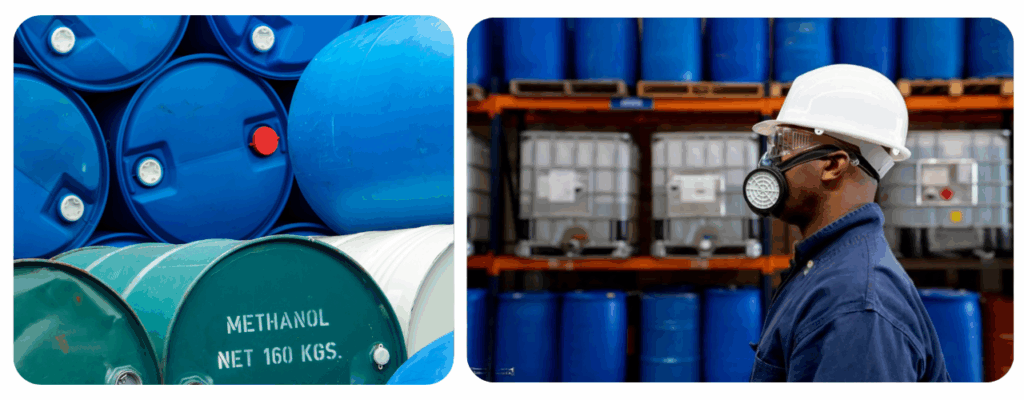
6. Low-Volume, High-Risk Chemical Waste
Even in small quantities, this waste poses significant risks. It’s common in industries like chemicals, automotive, and manufacturing, where even minimal amounts can contain highly hazardous substances.
Why is it hidden?
This waste is “hidden” because its small volume often doesn’t receive the attention it requires in waste management. Additionally, many of these substances lack obvious visual characteristics, such as strong colors or odors, making them harder to recognize. This lack of visibility increases risks as they can accumulate and cause long-term environmental or health damage without proper control.
Risk: Improper handling can lead to serious environmental and health impacts, as well as severe fines.
Solution: Implement strict segregation at the source to avoid contamination. Disposal should be handled by certified companies to ensure compliance with environmental laws and eliminate risks.
7. Decommissioned Heavy Equipment
Industrial machinery and vehicles that are obsolete, damaged, or replaced by more efficient technologies.
Why is it hidden?
These items are often stored in warehouses, yards, or company properties, out of public view. Since they’re no longer in use, they receive little attention and are overlooked as an environmental issue. The lack of clear policies for repurposing, recycling, or proper disposal also contributes to their neglect.
Risk: These items take up valuable space and incur high storage costs. Improper disposal can lead to hefty environmental fines, especially if they contain oils or other hazardous fluids.
Solution: The most effective strategy is metal recycling, which not only solves the disposal problem but also allows companies to recover value from the materials. This process turns liabilities into assets, freeing up space and generating revenue.
Conclusion: Transform Hidden Waste Into Opportunity
Hidden waste drains valuable resources every day. However, companies that identify and manage it strategically can not only cut costs and improve efficiency, but also ensure legal compliance and recover value sustainably.
Hyperion Global specializes in turning waste management challenges into opportunities by combining technology, compliance, and positive impact. We offer complete, customized solutions for your needs:
- Responsible Disposal Mapping: We analyze and map waste disposal, ensuring compliance with all legal requirements.
- Secure Destruction: Certified destruction of sensitive materials with full process traceability.
- Creative Upcycling: Transform waste into furniture, promotional items, and other high-value sustainable solutions.
- Industrial Recycling: Recycle PET, HDPE, LDPE, metals, and paper, recovering up to 95% of raw materials.
- Donaciones estratégicas: Connect your company with NGOs, ensuring traceability and tax benefits.
- Recuperación de activos: Assess and resell obsolete inventory to optimize liquidity and logistics.
- Incident Load Response Plans: Rapid, documented recovery for sensitive or high-value loads.
At Hyperion Global, waste management becomes a strategic advantage for your business.