

At Hyperion Global, industrial waste management isn’t just about disposal—it’s about creating opportunities that boost profitability and advance sustainability. In today’s world, where the circular economy and operational efficiency take center stage, waste management has evolved into a platform for innovation and value creation. Enter coprocessing: a forward-thinking solution that tackles environmental challenges while adding tangible value to your operations.
At Hyperion Global, we don’t just manage waste—we transform it into a strategic asset. As your partner, we align operational efficiency with measurable sustainability outcomes, helping your business thrive in a low-carbon economy. From diagnostics and logistics a coprocessing and compliance, our comprehensive services ensure a seamless transition to sustainable practices, making the shift to the circular economy efficient and effective.
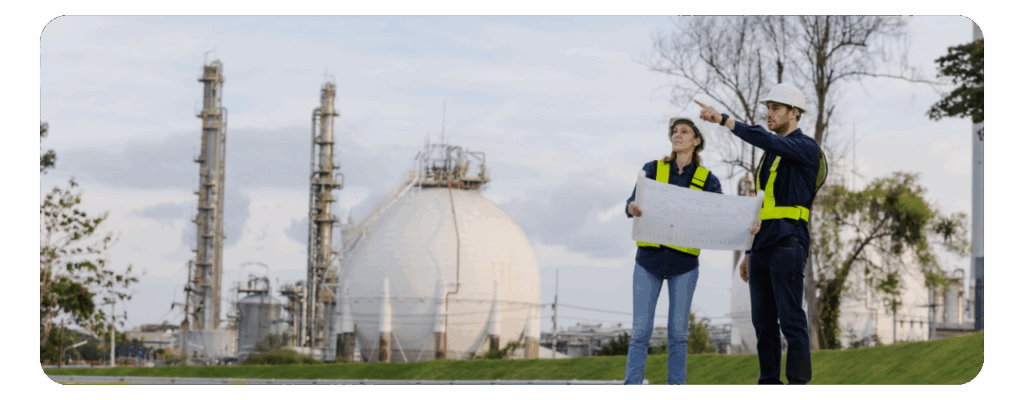
What Is Coprocessing and Why Does It Matter?
Coprocessing integrates industrial and urban waste as an alternative fuel or raw material in high-temperature manufacturing processes, such as kilns. This approach redirects waste from landfills or incineration into production cycles, making operations inherently more sustainable, efficient, and cost-effective.
The concept is simple: materials often seen as liabilities—like non-recyclable plastics or treated sludge—become valuable resources. This shift moves businesses away from the outdated “take-make-waste” model toward a circular approach, reducing environmental impact and cutting costs.
- Examples in Action: Non-recyclable plastics can be repurposed as energy for kilns, reducing reliance on fossil fuels. Treated sludge can replace virgin minerals, conserving resources and lowering costs. Coprocessing turns waste into an opportunity instead of a burden.
The Three Pillars of Coprocessing: Financial, Environmental, and Reputational Benefits
Coprocessing is more than a waste disposal alternative—it’s a transformative tool benefiting financial performance, environmental impact, and brand reputation.
1. Resource Conservation and Environmental Impact
Our Goal: Minimize environmental harm while preserving valuable resources.
By replacing fossil fuels and raw materials with waste-derived alternatives, businesses conserve resources and cut their carbon footprint. High temperatures used in coprocessing ensure complete waste destruction, eliminating harmful byproducts while generating clean energy. This process diverts waste from landfills and supports broader sustainability goals by reducing greenhouse gas emissions and dependency on finite resources.
2. Cost Optimization
Managing hazardous or complex waste streams often results in high disposal costs, including landfill fees, transportation expenses, and long-term liabilities.
Our Solution: Coprocessing transforms waste from a costly liability into a resource. Substituting expensive fuels with waste-derived alternatives reduces energy costs and waste disposal expenses. Materials like scrap tires, industrial solvents, and waste oils become dual-purpose inputs, delivering both financial and environmental benefits.
3. Enhancing ESG and Brand Reputation
In today’s business environment, strong environmental, social, and governance (ESG) performance is essential. Investors expect companies to align with sustainability goals and show progress in reducing environmental impact.
What We Deliver: Coprocessing provides a direct path to achieving carbon reduction targets and aligning with circular economy principles. It enhances ESG scores, builds credibility, and positions businesses as forward-thinking leaders prioritizing both profitability and sustainability.
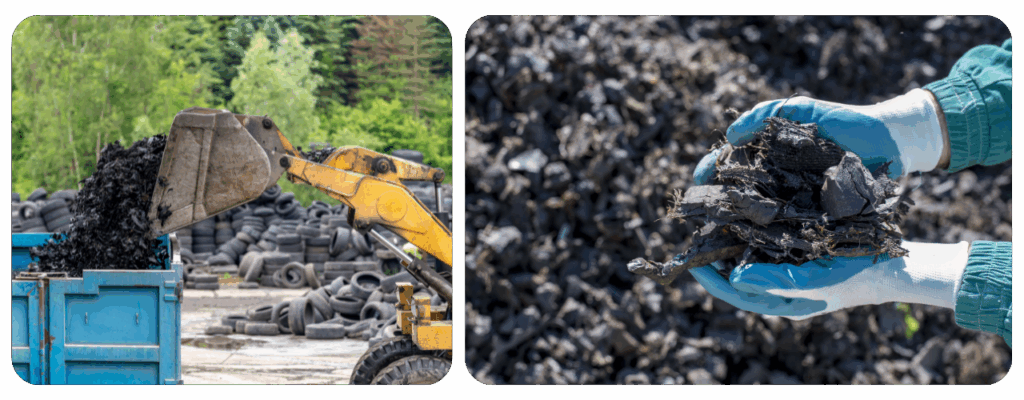
Coprocessing in the U.S.: Growth and Opportunity
In the U.S., waste-derived fuels (WDF) are gaining traction, driven by corporate sustainability goals, regulation, and advancing technology. Initiatives like the EPA’s Sustainable Materials Management Program emphasize reuse and reduction over the traditional “take-make-waste” model. Coprocessing aligns perfectly, offering scalable and effective waste solutions.
Key Outcomes for Businesses:
- Lower Environmental Impact: Diverting waste from landfills reduces methane emissions and fossil fuel dependency, ensuring compliance with environmental standards.
- Enhanced Competitiveness: Lower energy costs, reduced waste liabilities, and access to environmental credits make businesses more competitive and resilient.
Coprocessing: Supporting the Energy Transition
The global need to shift from fossil fuels to sustainable energy requires innovative solutions across all sectors. For energy-intensive industries, coprocessing offers a powerful strategy: it integrates industrial waste streams into this new energy system. This method allows businesses to actively participate in the transition by transforming waste into a valuable resource.
By replacing traditional fossil fuels like coal, oil, and gas with waste-derived fuels, companies can significantly contribute to global decarbonization efforts. This is achieved without compromising their operational performance or efficiency. Moreover, this approach not only reduces emissions but also enhances energy security, diversifying energy sources and lessening dependence on volatile fossil fuel markets. This blend of environmental responsibility and economic resilience makes coprocessing a key part of a sustainable industrial future.
Industrias a las que servimos
We collaborate with industries dedicated to integrating waste-derived fuels into their sustainability strategies, helping them reduce reliance on traditional energy sources while minimizing environmental impact. These industries include:
- Cement: Harnessing the high temperatures of kilns to process waste and recover energy, turning materials like non-recyclable plastics and industrial residues into fuel to support cement production.
- Steel: Using alternative materials such as scrap plastics and tires in electric arc furnaces, a process that not only enhances energy efficiency but also diverts waste from landfills.
- Pulp, Paper, and Power Generation: Broadening energy portfolios to include non-hazardous waste streams, such as industrial solvents and waste oils, providing a reliable and sustainable energy source for day-to-day operations.
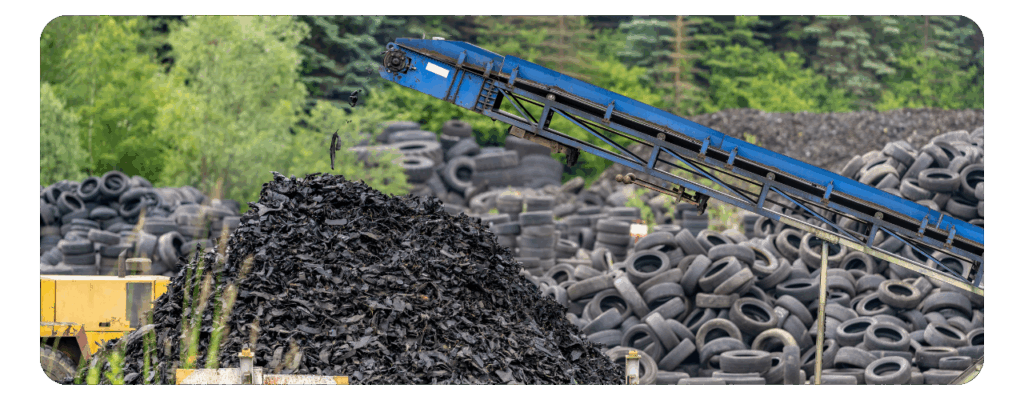
We manage diverse waste streams, including non-recyclable plastics, scrap tires, industrial solvents, waste oils, and manufacturing sludges, transforming them into valuable resources that contribute to cleaner production processes and a circular economy. By repurposing what would typically be discarded, we help industries make meaningful progress toward their sustainability goals.
Why Choose Hyperion Global?
Turning waste into opportunity is no small feat—it demands specialized expertise, streamlined logistics, and unwavering adherence to strict regulatory standards. Many companies struggle to overcome these hurdles, making sustainability efforts feel overwhelming and unattainable.
We make it simple. With decades of experience, Hyperion Global has mastered the art of converting complex waste streams into valuable resources. Our holistic, end-to-end services not only simplify the process but also ensure compliance, improve operational efficiency, and significantly reduce environmental impact. By partnering with us, sustainability becomes more than a responsibility—it transforms into a competitive edge for your business.
Our Core Services:
- Waste Diagnosis: Every waste stream is unique, which is why we conduct a thorough chemical analysis to determine the optimal approach for coprocessing. This ensures maximum efficiency and value extraction, tailored specifically to your needs.
- Logistics and Preparation: From waste collection and secure transportation to pre-treatment and processing, we handle every step of the logistics chain. Our seamless system allows you to focus on your core operations while we manage the complexities of waste handling.
- Cumplimiento normativo: Navigating EPA and state guidelines can be daunting, but with our expertise, we ensure full compliance with all regulations. By safeguarding your business from legal risks and penalties, we give you peace of mind while maintaining the highest environmental standards.
- ESG Reporting: Sustainability is about measurable impact. Our detailed ESG (Environmental, Social, and Governance) reporting provides clear, actionable data on both environmental benefits and financial outcomes. This empowers you to track progress, meet corporate sustainability goals, and communicate your achievements effectively to stakeholders.
Partner with Hyperion Global to Transform Waste into Opportunity
Coprocessing with Hyperion Global is more than a way to meet regulatory requirements; it’s a strategic approach to transform your business. It allows you to reduce operational costs, mitigate environmental and financial risks, and achieve your corporate sustainability goals. Our mission is to help you see waste not as a liability, but as a valuable resource that can help your business thrive in the emerging low-carbon economy.
Our expertise ensures your waste streams are optimized to drive financial growth, enhance operational efficiency, and contribute to environmental preservation. We believe in strategically leveraging sustainability to differentiate your brand and unlock new opportunities for innovation.
Visit hyperionglobals.com to connect with our team of experts. Discover how our tailored coprocessing solutions can improve both your environmental performance and economic outcomes. Together, we can turn today’s waste management challenges into tomorrow’s sustainable opportunities.