

The global movement of cargo depends on a complex network of ports, carriers, and customs authorities. While this system drives international trade, it also exposes shipments to risks that can disrupt operations and lead to costly losses.
Modern supply chains face challenges ranging from natural disasters to regulatory obstacles. Fires can destroy entire containers within hours, floods can damage thousands of products, and contamination can render goods unsellable. Customs rejections can leave valuable shipments stuck in limbo for weeks or even months.
The financial consequences go far beyond the immediate loss of goods. Businesses risk delayed launches, dissatisfied customers, and ripple effects across their entire distribution network. An effective cargo recovery plan can mitigate these impacts, salvaging value and ensuring business continuity while adhering to strict regulations.
By implementing structured response protocols, even the most severe cargo incidents can be transformed into manageable challenges, with measurable results.
Turning Crisis into Recovery: The Amazon Case Study
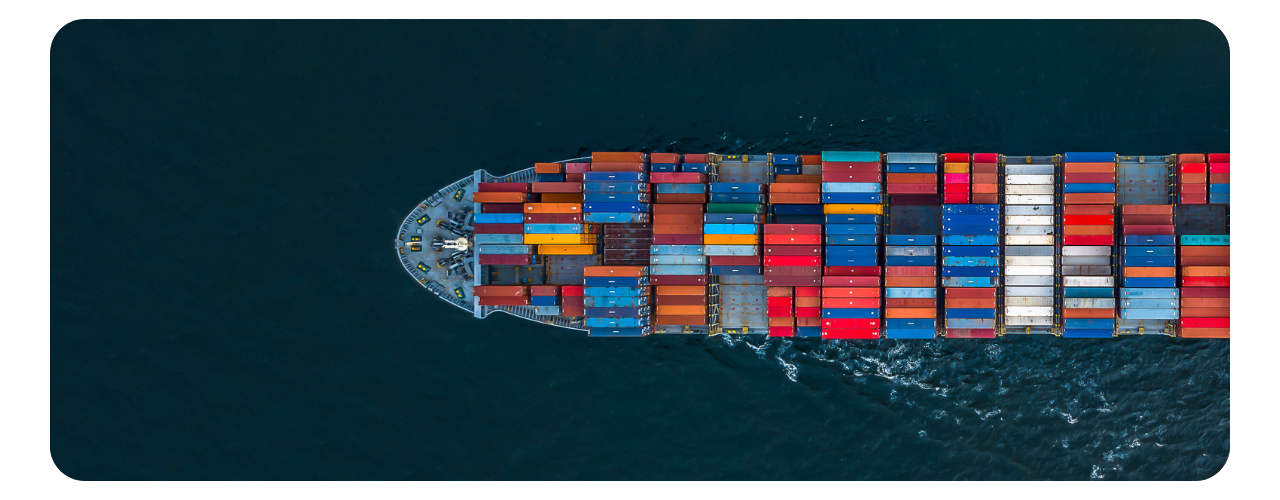
Amazon recently faced a significant crisis when a container shipment from China, valued at $500,000, encountered a critical incident during transit. The container included a wide range of consumer goods intended for distribution to North American warehouses.
Initial reports suggested the entire shipment might be compromised, raising fears of substantial financial loss and potential delays during a crucial sales period. Immediate action was required to assess the damage and execute a recovery strategy.
Resolving this complex situation demanded expertise in damage evaluation, regulatory compliance, environmental safety, and logistics coordination. Time was of the essence—delays in response could have escalated losses and disrupted operations further.
Key Pillars of Effective Cargo Recovery
A successful cargo recovery strategy balances multiple priorities while ensuring compliance with relevant regulations. The main objectives include:
Preserving Economic Value: The primary goal is to assess the shipment systematically, identifying salvageable goods. This involves cleaning, repackaging, and thorough quality checks to recover as much value as possible.
Ensuring Regulatory Compliance: All recovery actions must meet legal, environmental, and customs requirements. This includes documenting damage, certifying the disposal of unsalvageable goods, and maintaining complete chain-of-custody records.
Maintaining Operational Continuity: Recovery efforts must integrate seamlessly into ongoing supply chain operations to minimize further disruptions or delays.
Providing Full Traceability: Comprehensive documentation of the entire recovery process ensures accountability and provides valuable insights for future prevention and mitigation strategies.

Recovery in Action: Amazon’s Systematic Approach
Amazon’s recovery process began with deploying specialized assessment teams to the incident site. These teams conducted thorough inspections to evaluate the damage and classify the condition of the cargo.
1. Damage Assessment
Inspectors carefully examined the container’s contents, categorizing items based on damage severity, contamination, and regulatory standards. This assessment determined that 50% of the shipment was salvageable.
2. Recovery Operations
Specialized teams were mobilized to separate intact items from damaged ones. The recovery process included:
- Cleaning and sanitizing recoverable goods to remove contaminants while preserving product integrity.
- Repackaging items in certified containers for safe storage and transport.
3. Quality Assurance
Recovered goods went through rigorous testing, from visual inspections to functionality checks, ensuring they met safety and distribution standards.
4. Container Sanitization
The shipping container itself was cleaned and decontaminated to prevent further contamination and ensure acceptance at certified facilities.
Seamless Coordination: Logistics and Compliance
Effective recovery required smooth collaboration among various stakeholders. Key actions included:
Transportation Logistics: Specialized carriers were arranged to handle the recovered goods, with carefully planned routes ensuring compliance and timely delivery.
Warehouse Integration: Recovered items were transported to certified facilities equipped to process and redistribute the salvaged products. These warehouses maintained strict environmental controls and detailed inventory tracking.
Certified Disposal: Non-recoverable goods were securely destroyed in compliance with environmental standards. All disposal activities were thoroughly documented to ensure transparency and accountability.

Results and Impact
Amazon’s strategic recovery efforts delivered outstanding results:
- Financial Recovery: $250,000, or 50% of the shipment’s value, was successfully salvaged—exceeding industry averages for similar incidents.
- Rapid Turnaround: Recovery operations, including cleaning and repackaging, were completed within 48 hours, cutting storage costs and allowing goods to re-enter the supply chain quickly.
- Comprehensive Documentation: Detailed records, including photos, certifications, and action logs, ensured accountability, regulatory compliance, and insights for future improvements.
- Operational Continuity: Recovered items were seamlessly reintegrated into Amazon’s distribution network, avoiding delays during a critical sales period.
Building Resilient Supply Chains
Amazon’s recovery highlights essential strategies for strengthening supply chain resilience:
- Rapid Response: Pre-established protocols and ready-to-deploy resources enable swift action to minimize losses.
- Detailed Documentation: Complete records protect against liability and offer key insights to refine prevention and response strategies.
- Strategic Partnerships: Collaborating with expert service providers ensures access to specialized skills and resources during crises.
- Regulatory Expertise: Adhering to evolving regulations avoids costly errors and accelerates recovery efforts.
Partner with Experts in Cargo Recovery
Critical incidents don’t have to disrupt your supply chain. With the right expertise and recovery protocols, you can minimize losses, ensure compliance, and protect your business.
Our team specializes in end-to-end cargo recovery services, from damage assessment and compliance management to logistics coordination and certified disposal. Leveraging a global network of certified facilities and specialized tools, we ensure fast, effective recovery tailored to your needs.
Don’t let disruptions derail your operations. Contact us today to create a customized cargo recovery plan that aligns with your business goals and risk profile.