

What if your biggest operational cost could become your next revenue stream? For many companies, waste management is an expensive challenge, burdened by disposal fees, compliance requirements, and environmental regulations. Yet forward-thinking businesses are uncovering a hidden opportunity: waste isn’t just something to discard—it’s a valuable resource with the potential to generate profit.
Reframing waste from a liability to an asset is one of today’s most transformative business strategies. Across industries, companies are discovering innovative ways to monetize byproducts, cut operational costs, and gain a competitive edge through sustainable practices.
The Circular Economy: A Roadmap to Success
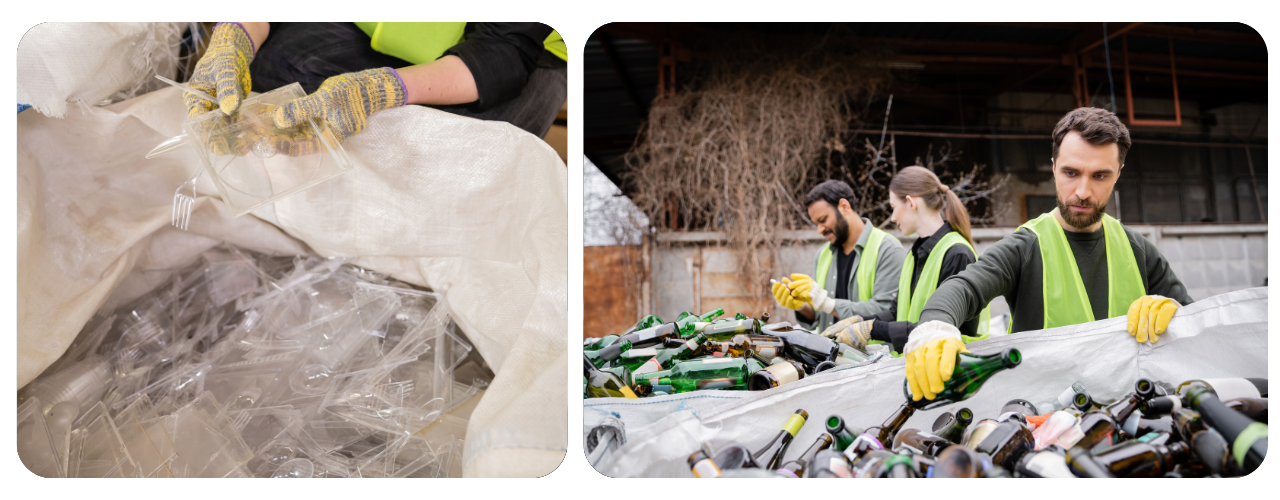
The circular economy provides a powerful framework for turning waste into profit. Unlike traditional linear models—where resources move from production to disposal—circular systems focus on keeping materials in use for as long as possible. They extract maximum value before recovery or regeneration.
This approach unlocks new revenue opportunities. What was once considered waste can re-enter production cycles, either within the business itself or through collaborations with other industries. The secret lies in rethinking waste streams as inputs for new processes.
Effective Strategies to Monetize Waste
1. Selling Byproducts to Other Industries
One company’s waste is another’s raw material. Manufacturing byproducts can often be sold to industries that value them. For example, metal shavings from machining can be recycled, while wood scraps from furniture production can be repurposed as biomass fuel or landscaping materials.
2. Internal Recycling and Reuse
Recycling waste internally can significantly reduce both disposal and raw material costs. For example, paper manufacturers reprocess scraps, chemical companies purify and reuse solvents, and construction firms crush concrete rubble for new projects.
3. Waste-to-Energy Production
Organic waste can be transformed into biogas through anaerobic digestion, while wood and paper can serve as biomass fuel. Even non-recyclable materials can generate energy in waste-to-energy plants.
4. Strategic Partnerships
Collaborating with startups, cooperatives, or other businesses can open new avenues to add value to waste streams. Innovative technologies are constantly finding creative applications for traditional waste, while cooperatives often have the infrastructure to process and prepare materials for reuse.
Success Stories Across Industries
E-Waste: Turning Scraps into Value
The rapid growth of technology has generated an explosion of electronic waste, including computers, cell phones, batteries, and industrial equipment. This type of waste represents both significant environmental challenges and valuable economic opportunities. Circuit boards, for example, contain precious metals such as gold, silver, copper, and palladium, which can be recovered and reintroduced into the production chain. In addition, many functional components can be resold or repurposed, extending their lifespan and reducing the need for new raw materials. Plastic or metal casings and structures can also be recycled and transformed into inputs for the manufacturing of new products, strengthening the circular economy cycle and contributing to more sustainable resource management.
Food Industry: Innovating Zero-Waste Practices
Food manufacturers are finding ways to create value at every stage of production. Citrus processors extract essential oils from peels, breweries turn spent grain into animal feed, and coffee roasters sell used grounds as soil conditioners. Restaurants partner with local farms to compost leftovers, creating mutually beneficial solutions.
Construction: Monetizing Debris
Construction and demolition projects generate massive amounts of waste, but smart companies are turning these materials into profit. Concrete is crushed into aggregates for new builds, metals are recovered during demolition, and wood is repurposed as biomass fuel or engineered products. Even drywall can be recycled as a soil additive, turning disposal costs into revenue opportunities.
Steps to Maximize Waste Monetization
- Conduct a Waste Audit: Analyze the types, quantities, and patterns of your waste streams.
- Identify Market Opportunities: Research potential buyers and industries that can use your materials.
- Invest in Processing: Pre-processing waste increases its value and expands marketability.
- Ensure Quality Standards: Maintain consistent quality to build trust with buyers.
- Stay Compliant: Meet all legal and regulatory requirements to avoid liabilities.
Long-Term Competitive Advantages
Monetizing waste delivers far-reaching benefits:
- Increased Revenue: Generate new income streams from repurposed materials.
- Cost Savings: Cut down on disposal fees and raw material expenses.
- Enhanced Brand Reputation: Build credibility as a sustainable business, attracting customers and investors.
- Access to Incentives: Leverage tax credits and green financing for sustainable initiatives.
- Employee Engagement: Foster a culture of innovation and environmental responsibility.
Hyperion Global: Transforming Waste into Opportunity
At Hyperion Global, we see waste not as a problem, but as a valuable, untapped resource waiting to drive growth and sustainability. Our mission is to empower businesses to identify, manage, and monetize their waste streams, turning challenges into opportunities for innovation and transformation.
How We Drive Sustainable Impact
Our expert services are designed to simplify the complexities of waste management and sustainability, offering tailored solutions that align with your business goals:
- Circular Economy Consulting: We create customized strategies to help your business shift from traditional linear models to circular practices, enhancing resource efficiency and minimizing environmental impact.
- Comprehensive Waste Management: From innovative recycling to safe disposal, we offer specialized solutions for all waste types, ensuring your waste streams generate measurable value.
- Strategic Partnerships: Leverage our extensive network of startups, cooperatives, and industrial buyers to unlock collaborative opportunities for resource optimization and increased profitability.
- Regulatory Expertise: Stay ahead of evolving compliance standards with our guidance on local and international regulations, certifications, and environmental policies.
- Technology Integration: Use cutting-edge tools and analytics to monitor, manage, and optimize your waste streams, enabling data-driven decisions that improve outcomes.
Why Partner with Hyperion Global?
By choosing Hyperion Global, your business can reap a wide array of benefits:
- Lower Operating Costs: Reduce expenses through efficient waste management and diversion practices.
- Generate New Revenue: Transform waste into a financial asset through innovative monetization methods and partnerships.
- Enhance Sustainability Credentials: Position your business as a sustainability leader, appealing to environmentally conscious customers and stakeholders.
- Align with Global Goals: Contribute meaningfully to the United Nations Sustainable Development Goals (SDGs) while building a better planet for future generations.
By partnering with Hyperion Global, your business gains more than just a solution to waste—it gains a competitive edge and the tools to create lasting environmental and financial value. Let us help you lead the way in sustainability, paving the path to a more prosperous and eco-friendly future.