

Food industry waste costs companies up to 5% of their annual revenue while damaging brand reputation. However, forward-thinking businesses are discovering that responsible waste management isn’t just about compliance—it’s a pathway to competitive advantage. Through strategic disposal practices, companies can reduce costs, strengthen their market position, and build consumer trust.
The transformation from waste burden to business opportunity requires more than good intentions. It demands expertise, proven systems, and a partner who understands both the regulatory landscape and market dynamics. This is where specialized solutions make the difference between managing problems and creating value.
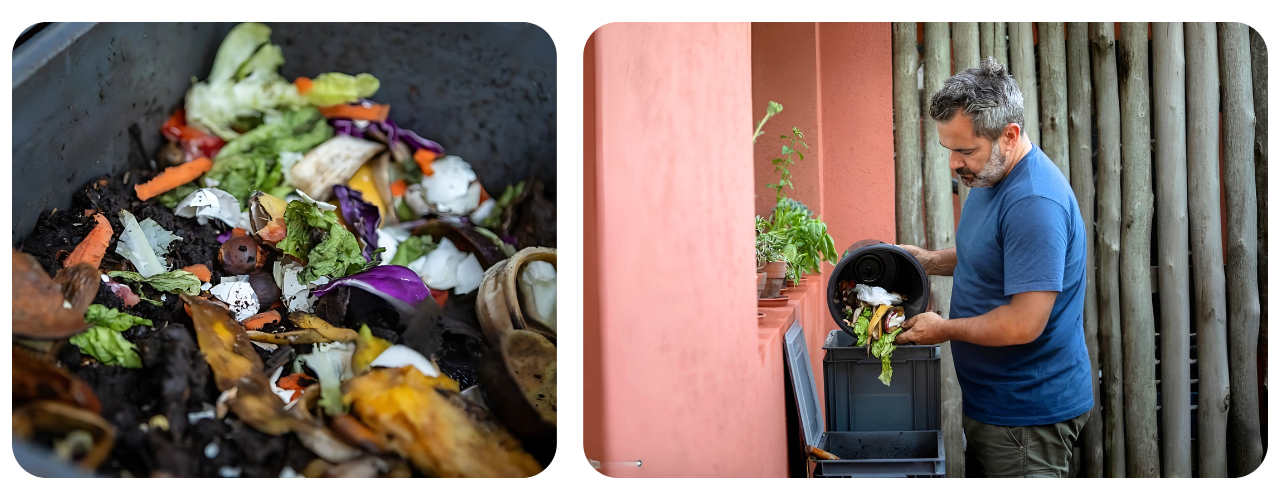
The Hidden Costs of Food Industry Waste
Food waste represents one of the most significant operational challenges facing manufacturers today. Beyond the obvious loss of raw materials, the true cost of waste extends into multiple areas of business operations.
Financial losses accumulate rapidly across the production chain. Wasted inputs represent direct material costs, while additional expenses pile up through extended storage requirements and transportation of unusable products. Labor hours become compromised as teams redirect efforts toward managing waste rather than creating value.
Regulatory compliance adds another layer of complexity and cost. Improper disposal practices can result in substantial fines, legal complications, and mandatory remediation expenses. These regulatory risks expose companies to potential million-dollar losses that extend far beyond the initial waste problem.
The ripple effect touches every aspect of operations. Production schedules face disruption, quality control processes require additional oversight, and supply chain efficiency suffers. What begins as a waste management issue quickly becomes a comprehensive operational challenge.
Consumer Expectations Drive Sustainable Practices
Modern consumers actively seek brands that demonstrate environmental responsibility. Research indicates that 78% of consumers prefer companies that adopt sustainable practices, viewing responsible waste management as concrete evidence of genuine commitment to environmental stewardship.
This consumer preference creates both opportunity and risk. Companies that successfully implement sustainable practices gain competitive advantages through enhanced brand perception and customer loyalty. Their sustainability efforts become powerful marketing assets that differentiate them in crowded markets.
Conversely, poor waste management practices can undermine years of brand development. A single disposal failure represents more than an operational mistake—it threatens the foundation of consumer trust that successful brands require. Social media amplifies these risks, as negative environmental news spreads rapidly and creates lasting reputation damage.
The stakes continue rising as younger consumers, who prioritize environmental concerns, gain purchasing power. These demographic shifts make sustainable practices increasingly critical for long-term market success.

Beyond Compliance: Strategic Waste Management
Regulatory compliance represents the minimum standard for responsible disposal, but leading companies recognize opportunities that extend far beyond meeting basic requirements. Strategic waste management transforms operational necessities into competitive advantages.
Proper implementation eliminates legal risks while creating operational efficiencies. Companies that invest in comprehensive waste management systems typically achieve significant cost reductions through improved resource utilization and streamlined processes. These efficiency gains compound over time, creating sustainable cost advantages.
Brand value increases when waste management becomes part of a company’s sustainability narrative. Environmental certifications and documented waste reduction achievements provide marketing assets that resonate with environmentally conscious consumers and business partners.
The competitive landscape rewards companies that move beyond reactive compliance toward proactive sustainability leadership. Early adopters of advanced waste management practices often establish market positions that become difficult for competitors to challenge.
Proven Results: Real-World Transformations
Hyperion Global’s track record demonstrates how strategic waste management creates measurable business value. Working with major food industry players, the company has delivered results that transform operational challenges into competitive advantages.
A meat processing plant achieved a 35% reduction in disposal costs through comprehensive waste traceability systems. This improvement came not through cutting corners, but through optimizing processes and identifying previously hidden inefficiencies. The cost savings provided immediate bottom-line impact while establishing sustainable operational improvements.

Dairy industry clients gained environmental certifications that enhanced their market credibility and opened new business opportunities. These certifications became marketing assets that differentiated their products in competitive retail environments and attracted environmentally conscious consumers.
Brand image improvements through sustainable campaigns drove measurable engagement across social media platforms. Companies discovered that their waste management investments became powerful storytelling opportunities that connected with consumer values and built brand loyalty.
These examples illustrate how responsible disposal strategies create value across multiple business dimensions simultaneously—reducing costs, enhancing reputation, and opening new market opportunities.
The Investment Perspective on Waste Management
Traditional approaches treat waste management as a necessary cost center, but strategic thinking reveals investment opportunities. The difference lies in viewing waste management as a business capability rather than a compliance requirement.
Investment in proper waste management systems generates returns through multiple channels. Direct cost savings emerge through operational efficiencies and reduced disposal expenses. Indirect benefits include enhanced brand value, reduced regulatory risk, and access to new market segments that prioritize sustainability.
The timing advantage favors early adopters. As regulatory requirements tighten and consumer expectations rise, companies that have already invested in advanced waste management capabilities will maintain competitive advantages over those scrambling to meet new standards.
Long-term value creation requires partnerships with specialists who understand both current requirements and future trends. The most successful companies work with providers who can navigate complex regulatory environments while identifying opportunities for operational improvement and brand enhancement.
Transforming Challenges Into Competitive Assets
Waste represents one of the food industry’s most persistent challenges, but it also presents one of the greatest opportunities for differentiation. Companies that recognize this potential can transform operational necessities into strategic advantages.
The transformation requires expertise, commitment, and the right partnership. Hyperion Global helps food industry businesses implement responsible disposal solutions that deliver regulatory compliance while creating sustainable competitive advantages. Through proven methodologies and deep industry knowledge, they guide companies toward waste management strategies that reduce costs, eliminate risks, and strengthen market positions.
Ready to discover how your company can turn waste challenges into competitive advantages? Contact Hyperion Global to explore responsible disposal solutions that deliver measurable business value while supporting your sustainability goals.